1350 Wooten Lake Rd. NW, Ste. 203 Kennesaw, GA 30144

(678) 672-6764

Dentistry & Orthodontics at Kennesaw Point
  • About
    • Meet Our Team
  • Services
    • General Dentistry
      • Dental Cleaning And Exams
      • Family Dentistry
      • Root Canal Therapy
      • Tooth Extractions
      • Tooth Fillings
    • Cosmetic Dentistry
      • Cosmetic Tooth Bonding
      • Dental Crowns
      • Teeth Whitening
    • Emergency Dentistry
      • Oral Surgery
      • Periodontal Gum Disease
    • Restorative Dentistry
      • Dental Bridges
      • Dental Implants
      • Dental Veneers
      • Dentures
      • Inlays And Onlays
      • Invisalign
      • Orthodontics
      • Traditional Braces
  • Financing & Insurance
  • New Patient Forms
  • Blog
  • Contact
Book An Appointment
  • The Importance of Routine Dental Cleanings for Oral Health

    Good oral health is essential for overall well-being, as it impacts not only our ability to speak, chew, and smile but also plays a significant role in preventing gum diseases and other complications. Even with proper brushing and flossing, plaque and tartar can build up over time, leading to oral health issues. This is where routine dental cleanings become essential.

    Routine dental cleanings play a crucial role in preventing common oral health problems such as gum disease, tooth decay, and bad breath. Professional dental cleanings not only help maintain your oral health but also provide several long-term benefits. Foremost, dental cleanings help prevent cavity formation by removing plaque–the sticky, colorless film that forms on your teeth and harbors bacteria. If left unchecked, this bacteria can produce acids that erode your tooth enamel, resulting in cavities. Additionally, dental cleanings can help prevent gum disease, which can ultimately lead to tooth loss if left untreated.

    Catching these issues early on can allow for swift treatment and avoid more complicated and costly procedures in the future. By visiting our experienced Kennesaw dental team regularly, you are taking a proactive approach to ensuring your oral health remains intact.

    The Dental Cleaning Process at Our Clinic

    Dental cleanings at Dentistry & Orthodontics are thorough, comfortable, and tailored to each patient’s individual needs. Our skilled dental team goes through several steps to ensure your teeth and gums receive the attention they deserve.

    1. Initial Examination: Before the cleaning begins, the dentist or dental hygienist will conduct a thorough oral examination to assess the health of your teeth and gums. This may include taking X-rays if you’re due for them and examining for signs of gum disease, cavities, or other concerns.
    2. Scaling: Next, the dental professional will use specialized instruments called scalers to remove plaque and tartar buildup on the surface of your teeth and along the gumline. This process, known as scaling, is essential for preventing cavities and gum disease.
    3. Polishing: After scaling, the dentist or hygienist will polish your teeth with a rotating brush and a mildly abrasive toothpaste called prophylaxis paste. This helps remove any remaining plaque and surface stains, resulting in a smooth and shiny appearance.
    4. Flossing: Finally, the dentist or hygienist will floss your teeth to remove any debris that may have been dislodged during the scaling and polishing process. They may also provide some tips on proper flossing technique to ensure you’re getting the most out of your daily oral hygiene routine.

    The Frequency of Dental Cleanings

    The American Dental Association (ADA) recommends that adults visit their dentists for professional cleanings at least twice a year. This frequency may vary depending upon your individual oral health needs and risk factors such as age, dental history, and lifestyle habits. For instance, patients with gum disease or a history of cavities may require more frequent cleanings to keep their oral health under control.

    During your appointment at our Kennesaw clinic, our dental team will discuss the recommended frequency of dental cleanings based on your specific needs. Adhering to these recommendations and maintaining a consistent at-home oral hygiene routine can help ensure the long-term health and wellness of your teeth and gums.

    Post-Cleaning Care and Maintenance

    After your dental cleaning, it’s essential to continue practicing proper oral hygiene at home. This will help keep your teeth clean and free from plaque and tartar buildup between visits. Follow these tips to maintain your oral health:

    1. Brush Regularly: Brush your teeth at least twice a day using a fluoride toothpaste. Make sure to brush for a full two minutes, not forgetting the hard-to-reach areas of your mouth.
    2. Floss Daily: To clean the spaces in between your teeth, floss at least once a day, preferably before bedtime. Gently slide the floss between your teeth, following the curve of each tooth, and ensure you reach beneath the gumline.
    3. Use Mouthwash: Incorporate a mouthwash into your daily routine to help control bacteria and reduce plaque in your mouth. Choose an antimicrobial mouthwash that fights bad-breath germs and offers protection against cavities.
    4. Maintain a Balanced Diet: Eat a well-balanced diet, rich in whole grains, fruits, vegetables, lean proteins, and dairy products to provide essential nutrients for your oral health. Reduce your intake of sugary and starchy foods, as they can contribute to tooth decay and gum disease.
    5. Avoid Tobacco Products: Tobacco use is detrimental to oral health, causing bad breath, stained teeth, and increasing the risk of gum disease and oral cancer. Quitting smoking or other tobacco products can significantly improve your oral health.
    6. Schedule Regular Dental Checkups: Regular dental checkups and cleanings at our Kennesaw clinic are vital for maintaining healthy teeth and gums. They allow our dental team to spot and address potential problems early, preventing complications and potential tooth loss.

    The Relationship Between Oral Health and Overall Health

    Maintaining good oral health is not merely essential for your teeth and gums; it has significant implications for your overall health and well-being. Poor oral health has been linked to several medical conditions such as diabetes, cardiovascular disease, respiratory infections, and even premature birth in pregnant women.

    By attending regular dental cleanings and practicing good oral hygiene at home, you’re taking essential steps in safeguarding both your dental and general health. Furthermore, your dental team can often spot early warning signs of broader health issues during routine oral exams, which can lead to early intervention and treatment.

    Conclusion:

    Incorporating routine dental cleanings into your healthcare routine is critical for maintaining optimal oral health and preventing dental complications. By scheduling regular dental cleaning appointments and following a consistent at-home oral hygiene routine, you can keep your smile bright, healthy, and beautiful for years to come. Visit us today to schedule your next dental cleaning and embark on your journey to optimal oral health.

    At Dentistry & Orthodontics, we are committed to keeping your smile healthy and bright. Our friendly, multilingual staff is committed to providing excellent dental care by offering a range of services. From general cosmetic dentistry to general family dentistry, including routine dental cleanings, we have the expertise to deliver outstanding results. Don’t wait any longer to take care of your dental health. Schedule an appointment with us today and let us help you achieve a healthy, beautiful smile!

    Dentistry & Orthodontics at Kennesaw Point

    March 25, 2024
  • About Dental Implants

    About Dental Implants

    Dental implants are small titanium posts that are surgically placed into the jawbone where teeth are missing. This restoration of a tooth-supporting structure helps ensure that the face, tongue, and jaw have an appropriate foundation to function normally. Oftentimes, when a tooth is extracted- bone grafting is needed to ensure that the overall structure of the individuals face is not compromised or starts to recede.

    Live Your Life

    Dental implants that are made from titanium have a higher success rate for single tooth implants, dental bridges and even full mouth reconstructions. Dental implants are safe because they don’t put pressure on other teeth and act as a complete replacement for the missing tooth. They don’t interfere with other teeth so you can eat, brush, etc. without worry. This makes them much better than dentures which you have to take out after eating or drinking anything so it doesn’t damage the denture. With dental implants can eat and drink whatever you please without having to worry about pain, teeth falling out or anything else.

    Are Dental Implants Safe?

    Some individuals fear dental implants because they worry that there might be some kind of long-term health risk. This is a common fear, but dental implants are completely safe for your oral health. As a matter of fact, there is a lot of research on the safety and efficacy of dental implants. Dental implants are safe for your oral health because they simulate natural tooth roots in the jawbone which means they provide a tight seal against food and bacteria. This leads to better oral health in the long-run so there is no need to worry about safety issues when it comes to dental implants.  As time goes by, your gums will heal and the bone around the implant will actually grow stronger. Dental implants are not only safe, they also offer a long-term solution that is more reliable than dental bridges or dentures.

    Take Back Your Smile with Dental Implants

    When it comes to dental implants, the procedure has been well established and is considered to be one of the most successful and safest solutions available. The implant is surgically placed by a dentist into the jawbone and over time it integrates with the bone, acting as an anchor for replacement teeth. Dentists will be able to use dental implants to help someone restore their smile or simply replace missing teeth. This helps the person gain back their confidence and helps them feel more comfortable. Dental implants are considered to be safe and better than other methods because they do not hurt your mouth and you don’t have to worry about taking care of them like you would with dentures or bridges. People often think that dental implants are too expensive for them, but they are actually more affordable than most people think.

    Dentistry & Orthodontics at Kennesaw Point

    March 25, 2024
  • Why Keeping Your Child’s Oral Hygiene is Crucial

    Why Keeping Your Child’s Oral Hygiene is Crucial

    Children are the most vulnerable to dental problems. Most parent’s take their kids to a pediatric dentist because they will be more gentle and understanding while taking care of the child’s dental issues.

    The pediatric dentist is preferred when taking children because a pediatric dentist specializes in taking care of children’s teeth. This can be a bit difficult for a general dentist who specializes mainly on teens and adults because they are not used to working with children and their smaller mouths. Pediatric dentists are experts in working with children, and they use the least invasive procedures that provide the best results for them. The pediatric dentistry near me will have staff that has many years of experience working with children and younger individuals. They will know what kind of dental equipment to use and how to make it fun for your child.

    Pediatric dentists can handle dental emergencies such as toothaches, injuries, cavity repair and many others. They also understand how to work with children to make sure that they have a positive outlook on going to the dentist and visiting one is not a frightening situation for them. It is important to take your child to the dentist as soon as they start developing teeth. Pediatric dentistry near me will be able to help with this process by instructing you on how best to brush your child’s teeth at home or answering any questions you may have about dental care. The earlier you take your child in, the more likely they will grow up with a lifetime of great oral care.

    There are lots of reasons why taking children to the dentist is important. Children need to visit the dentist at least once every six to eight months for preventive measures. It’s also important to keep up with regular check-ups because if they don’t, they might develop dental problems such as decay or cavities that could affect their health in the future. They will also be taught about how good oral hygiene works. This will help with preventing cavities, tooth decay, and periodontal disease later on in life. It is also important to establish a dental care routine at an early age.

    Taking your children to see the dentist is one of the most important things you can do for their future health. A regular dental visit can help identify and prevent dental problems early on. The first trip to the dentist should be an easy one with few surprises. The more often your child visits the dentist, the more likely they are to stay committed to good oral hygiene habits throughout their life.

     If you have any questions or would like help finding a pediatric dentist near me, please give us a call!

    Dentistry & Orthodontics at Kennesaw Point

    March 25, 2024
  • 5 Essential Benefits of Dental Implants for a Confident Smile

    5 Essential Benefits of Dental Implants for a Confident Smile

    A confident smile can make a world of difference in both personal and professional interactions. However, missing teeth or ill-fitting dentures may make you feel self-conscious and hinder your ability to smile with confidence. Dental implants, a revolutionary advancement in dental technology, offer a solution that not only restores function but also gives you the confidence to smile without inhibitions.

    In this article, we will outline the five essential benefits of dental implants, and why you should consider consulting a dental implant dentist to determine if this treatment is the right fit for you.

    1. Natural Look and Feel

    One of the primary advantages of dental implants is that they look, feel, and function like natural teeth. Unlike dentures, which can feel bulky or unnatural, dental implants are designed to blend seamlessly with your existing teeth. They are made of high-quality materials like titanium and porcelain, which closely mimic the appearance of natural teeth, giving you a more authentic and aesthetically pleasing smile.

    2. Improved Comfort and Function

    Dental implants are anchored securely to your jawbone, providing a stable foundation for replacement teeth. This stability means that you can eat, speak, and smile without the worry of your prosthetic shifting or causing discomfort.

    In contrast, traditional dentures may be prone to slipping, causing difficulties in chewing and speaking. Dental implants eliminate these problems by providing a secure and comfortable fit that functions just like your natural teeth. This improved comfort and function can enhance your overall quality of life and make you feel more confident in social and professional situations.

    3. Long-lasting Solution

    With proper care and maintenance, dental implants can last a lifetime. They are designed to be a permanent solution for tooth loss, which means you won’t have to worry about the ongoing costs and inconvenience associated with replacing dentures or bridges.

    The titanium post used in dental implants fuses with the jawbone through a process called osseointegration, creating a durable and long-lasting bond. This means that, unlike other tooth replacement options, dental implants can withstand the test of time and provide you with a reliable and hassle-free solution for years to come.

    4. Preservation of Jawbone and Facial Structure

    One of the lesser-known consequences of tooth loss is the deterioration of the jawbone and the eventual change in facial structure. When teeth are missing, the jawbone loses stimulation and begins to shrink, leading to a sunken appearance and an increased risk of further dental complications.

    Dental implants are the only tooth replacement option that actively preserves and stimulates the jawbone, preventing bone loss and maintaining facial structure. By choosing dental implants, you can not only restore your smile but also protect your overall oral health and prevent the aging effects of tooth loss.

    5. High Success Rate and Proven Results

    Dental implants have been used for decades and boast a high success rate, making them a reliable and effective solution for tooth loss. According to the American Academy of Implant Dentistry, dental implants have a success rate of around 98%.

    This high success rate is due in part to the expertise of dental implant dentists, who have undergone specialized training and have a deep understanding of the procedure and its intricacies. When you choose to undergo dental implant treatment, you can feel confident in the knowledge that you are investing in a proven and successful solution.

    Conclusion

    Dental implants offer a myriad of benefits that can help you regain your confidence and smile without hesitation. From their natural look and feel to their long-lasting durability, dental implants are an investment in your overall well-being and quality of life. If you are considering dental implants, it’s important to consult with a qualified dental implant dentist to discuss your specific needs and determine the best course of action to restore your smile. With dental implants, you can enjoy a lifetime of confident smiles and improved oral health.

    Are you looking for the best dental implant dentist? Then look no further than Dentistry & Orthodontics! Our team of highly skilled and experienced dental professionals is dedicated to helping our patients achieve optimal oral health and a beautiful smile. We pride ourselves on being a top-tier provider of dental implant services. From the initial consultation to the final placement of the implant, we work closely with our patients to ensure their individual needs and concerns are addressed. Don’t wait any longer to achieve the smile you’ve always wanted! Contact us at Dentistry & Orthodontics today to schedule your consultation!

    Dentistry & Orthodontics at Kennesaw Point

    March 25, 2024
  • 7 Warning Signs It’s Time to Find a New Dentist

    7 Warning Signs It’s Time to Find a New Dentist

    Going to the dentist is a necessary part of maintaining good oral health. However, not all dental practices are created equal. If you are currently unhappy with your dentist, it may be time to consider changing. Here are some signs that you should consider changing your dentist.

    1. Poor Communication

    Communication is key in any relationship, including one with your dentist. If your dentist is not listening to your concerns or explaining procedures and treatment options clearly, it may be time to look for a new dentist. A good dentist should take the time to listen to your concerns, answer any questions you may have, and provide clear and thorough explanations of any procedures or treatments.

    2. Lack of Cleanliness

    A dental practice should be clean and hygienic. If you notice that the office is not kept clean or the equipment is improperly sterilized, it may be time to switch dentists. Poor cleanliness can not only be unpleasant but also increase the risk of infection and other oral health problems.

    3. Unprofessional Staff

    The staff in a dental office should be professional, courteous, and knowledgeable. If the staff is rude, unhelpful, or unprofessional, consider a new dentist. A good dental practice should have a friendly and welcoming atmosphere, with knowledgeable staff willing to help answer your questions.

    4. High Prices

    Dental care can be expensive, but that doesn’t mean you should be overcharged for services. A good dentist should be transparent about pricing and work with you to create an affordable treatment plan that meets your needs.

    5. Outdated Techniques

    Dentistry is a constantly evolving field, with new techniques and technologies being developed all the time. A good dentist should be knowledgeable about the latest techniques and

    technologies and use them to provide the best possible care to their patients.

    6. Lack of Personal Attention

    A good dentist should take the time to get to know their patients and provide personalized care. If your dentist is rushing through appointments or not getting to know you and your specific needs, it may be time to switch dentists. Personal attention is important in dental care, as it allows the dentist to provide individualized treatment that meets each patient’s unique needs.

    7. Poor Results

    Ultimately, the most important factor in choosing a dentist is their quality of care. A good dentist should be able to provide effective care that improves your oral health and helps you achieve your goals.

    Tips When Switching to a New Dentist

    • Do your research: Look for a dentist with a good reputation, is qualified and experienced, and has positive reviews from other patients.
    • Ask for recommendations: Talk to friends, family, and colleagues to see if they can recommend a good dentist.
    • Schedule a consultation: Before committing to a new dentist, schedule a consultation to meet them in person and discuss your needs. This will allow you to ask any questions you may have and get a feel for their approach to dental care.
    • Consider the location: Choose a dentist located conveniently for you, whether close to your home or workplace.
    • Check your insurance coverage: Make sure the new dentist is covered by your insurance plan to avoid any unexpected costs.
    • Communicate your needs: When you switch to a new dentist, it’s important to communicate your needs and preferences so they can provide personalized care.
    • Be patient: It may take some time to find the right dentist for you, so be patient and don’t be afraid to try a few different options before settling on the one that’s right for you.

    To Sum Up

    In conclusion, consider a change if you are unhappy with your current dentist. Poor communication, lack of cleanliness, unprofessional staff, high prices, outdated techniques, lack of personal attention, and poor results are all signs that it may be time to switch dentists. Finding a knowledgeable, professional, and attentive dentist ensures you receive the best possible care for your oral health.

    Thinking of switching dentists? Dentistry & Orthodontics is a reliable dentist in Kennesaw, GA. We’re expert family dentists who can take care of your dental needs. Contact us today.

    Dentistry & Orthodontics at Kennesaw Point

    March 25, 2024
  • Pregnancy and Orthodontic Treatment: What You Need to Know

    Pregnancy and Orthodontic Treatment: What You Need to Know

    Orthodontics is a unique field within dentistry that focuses on identifying, preventing, and addressing issues related to dental and facial abnormalities. This widely-used and successful approach enhances the positioning of teeth and jaws, leading to a more appealing smile, enhanced oral hygiene, and better overall health.

    However, pregnant women or those intending to conceive frequently wonder if they can initiate orthodontic treatment. This article delves into the safety of undergoing orthodontic procedures during pregnancy and offers guidance to aid you in making a well-informed choice.

    What Are the Risks of Orthodontic Treatment during Pregnancy

    There is no denying that pregnancy is a delicate time for both the mother and the developing fetus. During this time, the body undergoes a series of hormonal and physical changes that can affect the health and well-being of the mother and the baby. Therefore, it is natural for pregnant women to be concerned about the risks associated with orthodontic treatment. Some of the potential risks include:

    Exposure to Radiation

    Orthodontic treatment often involves using X-rays and other imaging techniques to assess the condition of the teeth and jaws. Although the amount of radiation used is usually minimal, pregnant women should avoid unnecessary exposure to radiation as it can harm the developing fetus.

    Increased Risk of Infection

    Orthodontic treatment involves the use of various instruments and devices that can cause injury to the gums and soft tissues of the mouth, increasing the risk of infection. Pregnant women are more vulnerable to infections due to their weakened immune systems, making them more susceptible to complications.

    Discomfort and Pain

    Orthodontic treatment can cause discomfort and pain, which can be difficult to manage during pregnancy. Women who are pregnant may be more sensitive to pain and discomfort due to hormonal changes, making it harder to tolerate orthodontic procedures.

    Is Orthodontic Treatment Safe during Pregnancy

    Despite the potential risks, orthodontic treatment is generally safe during pregnancy. According to the American Dental Association (ADA), routine dental care, including orthodontic treatment, is safe during pregnancy. However, it is crucial to implement specific preventive measures to reduce potential hazards and guarantee the mother and the baby’s well-being. The following suggestions can assist you in managing orthodontic care while pregnant:

    Consult with Your Obstetrician

    Before starting any orthodontic treatment, it is crucial to consult with your obstetrician to ensure that it is safe for you and your baby. Your obstetrician can offer advice on the most suitable approach depending on your specific situation.

    Choose a Qualified Orthodontist

    When choosing an orthodontist, it is essential to pick a professional with the knowledge and expertise to offer orthodontic care to expectant mothers. The orthodontist should be well-informed about possible dangers and implement the required measures to guarantee your well-being.

    Avoid Unnecessary X-Rays

    While X-rays are sometimes necessary for orthodontic treatment, they should be avoided if possible during pregnancy. If an X-ray is necessary, your orthodontist will take the necessary precautions to ensure that you and your baby are protected from radiation.

    Practice Good Oral Hygiene

    Being pregnant can heighten the chances of experiencing dental issues like gum disease and tooth decay. As a result, it’s crucial to maintain proper oral care by brushing your teeth two times a day, flossing, and utilizing mouthwash to avoid these problems.

    Conclusion

    In summary, orthodontic treatment can be safe during pregnancy, but it is essential to take certain precautions to minimize the risks and ensure the safety of both the mother and the developing fetus. If you are considering orthodontic treatment during pregnancy, it is crucial to consult with your obstetrician and choose a qualified orthodontist who is experienced in treating pregnant women. By taking these steps, you can improve your oral health and achieve a beautiful, healthy smile while protecting the health and well-being of your baby.

    Experience the best of dentistry and orthodontics with our multilingual team! From family dental care to cosmetic dentistry, full-mouth reconstructive work, and orthodontics, Dentistry & Orthodontics got you covered. Come visit our orthodontist in Kennesaw today and take the first step towards a healthier, happier smile!

    Dentistry & Orthodontics at Kennesaw Point

    March 25, 2024
  • Signs You Need a Root Canal: Identifying Dental Red Flags

    Signs You Need a Root Canal: Identifying Dental Red Flags

    A root canal is a procedure used to treat dental conditions affecting the tooth’s pulp. The pulp, the tooth’s innermost part, contains nerves, blood vessels, and connective tissues. When the pulp is damaged or infected, it can cause severe pain and discomfort. A root canal can help to alleviate this pain and save the affected tooth from extraction. 

    In this article, we will explore the various signs that signify the necessity of a root canal procedure. 

    Signs to Have a Root Canal

    Persistent Pain

    Unbearable pain when chewing or biting is typically a sign of internal nerve damage. It is brought on by pressure applied to the infected pulp, which sets off the local nerve endings. Your jaw, cheek, or other teeth may experience sharp, throbbing, or shooting pain.

    Tooth Sensitivity

    If you experience sensitivity when you eat or drink hot or cold foods and beverages, it could indicate that the nerve in the tooth is damaged or infected. Extreme heat causes pain and suffering by irritating nerve endings. The sensitivity manifests as a powerful, throbbing pain or a dull ache that lingers even after consuming the food or drink.

    Discoloration

    The tooth receives nutrients through the blood vessels present in the pulp. In the event of an infection, these blood vessels can lead to discoloration and darkening. The bacterial infection destroys the pulp tissue, resulting in a gray or black discoloration. 

    This also weakens the tooth, making it more susceptible to breakage. Infected teeth with a dying pulp may exhibit black, yellow, or brown streaks and vertical or horizontal fissures or lines.

    Swelling and Tenderness in the Gums

    The tissue near the root tip may be inflamed, swollen, and pressure-sensitive. Poor breath and a bad taste in the mouth can result from a gum protrusion that looks like a pimple and may also ooze pus. This infection can spread to other mouth parts and cause further complications.

    Loose Tooth

    As a result of the infection, the adjacent bone weakens, potentially causing the tooth to shift or become loose. The bone can be corroded and degraded by acidic waste products generated by bacteria. When a tooth becomes unstable or loose, it can pose challenges in eating and speaking comfortably. It is of utmost importance to consult a dentist for a proper diagnosis, as loose teeth can be attributed to various conditions, including periodontitis. 

    Cracked or Chipped Tooth

    When the tooth’s pulp is exposed due to damage to the face or by biting on something hard, germs and other debris can enter. This results in an infection, which inflames and hurts the affected area. This can also lead to a condition requiring a root canal.

    How to Spot Infection After a Root Canal

    • Pain and Discomfort – You may experience a dull ache or sharp pain around the affected tooth. The pain may be constant or intermittent, worsening when you bite or chew.
      • Swelling and Redness – The area may be tender to the touch, and you may notice that your gums are swollen and puffy.
      • Sensitivity to Heat and Cold – You may feel a sharp, shooting pain when you eat or drink something hot or cold.
    • Bad Taste or Odor – If you notice a bad taste or odor in your mouth, it may be a sign of an infection. This can happen if the infected tooth releases pus, which can have a foul smell and taste.
    • Fever and Fatigue – Sometimes, an infection after a root canal can cause a fever and fatigue. If you feel tired or run down and have a fever, it’s essential to seek medical attention immediately.

    Conclusion

    Recognizing the signs indicating when you should have a root canal is crucial for maintaining your dental health. Ignoring the above-mentioned signs can lead to further complications and potential tooth loss. Early detection and timely treatment can help preserve natural teeth and maintain a healthy smile.

    Looking to enhance your smile with a cosmetic dentistry procedure? Look no further! Our expert family dentists at Dentistry & Orthodontics are here to cater to all your dental needs, from routine care to orthodontics, emergency dental care, and major reconstructive work. Our friendly and multilingual team proudly serves the communities of Kennesaw and Lilburn, GA. Contact us now!

    Dentistry & Orthodontics at Kennesaw Point

    March 25, 2024
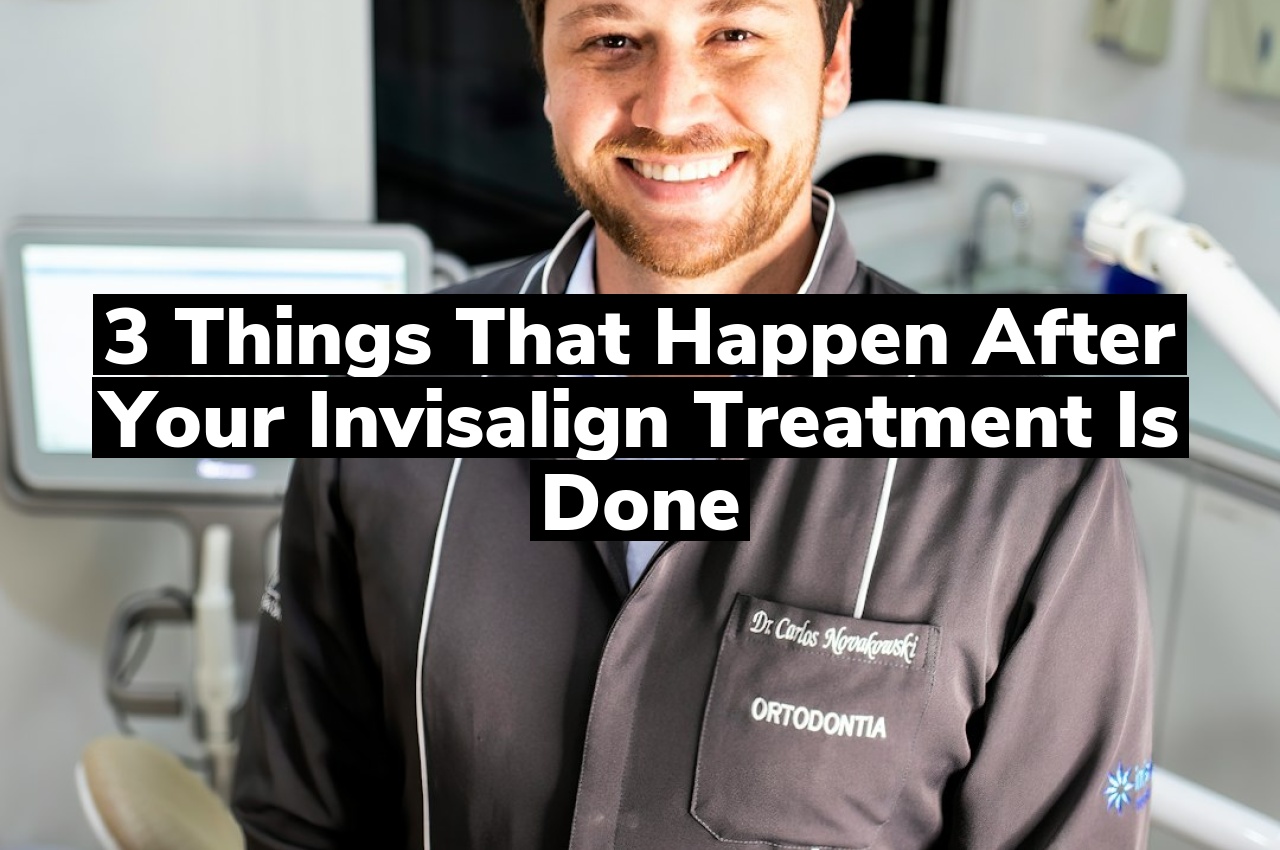
  • 3 Things That Happen after Your Invisalign Treatment Is Done

    3 Things That Happen after Your Invisalign Treatment Is Done

    Invisalign is a modern orthodontic treatment designed to align teeth using clear plastic aligners. This treatment has become increasingly popular in recent years because it is more comfortable, discreet, and convenient than traditional metal braces. If you have recently completed your Invisalign treatment, congratulations! You are now on your way to a straighter and healthier smile. However, your journey is not yet over. Here are three things that will happen when Invisalign services are finished:

    You’ll Need Retainers

    After completing your Invisalign treatment, your orthodontist will recommend wearing retainers. Retainers are custom-made devices designed to hold your teeth in their new positions. They help prevent your teeth from shifting back to their original positions. Your orthodontist will advise you on the type of retainer that is best for you. 

    There are two kinds of retainers: removable and fixed. Removable retainers are like Invisalign aligners and can be dislodged when eating or brushing teeth. Fixed retainers are glued to the back of your teeth; only a dentist can remove them.

    It is important to wear your retainers as prescribed by your orthodontist. Failure to wear your retainers can result in teeth reverting to their original positions, undoing all the progress you made during your Invisalign treatment. Depending on your case, you may need to wear your retainers for several months or even years. Your orthodontist will monitor your progress and tell you when it is safe to stop wearing your retainers.

    You Still Need to Maintain Good Oral Hygiene

    Maintaining good oral hygiene is essential after Invisalign services. Invisalign aligners are removable, which can be removed when eating or brushing your teeth. However, this also means that food particles and bacteria can get trapped between the aligners and teeth, resulting in decay and gum disease. That’s why brushing and flossing regularly is important to keep them healthy.

    During your Invisalign treatment, you may have become accustomed to brushing and flossing more frequently than before. This is because Invisalign aligners need to be removed before eating or drinking anything other than water. Therefore, you may have brushed and flossed your teeth after every meal or snack. It is important to continue this habit even after your Invisalign treatment is done to maintain good oral hygiene.

    You’ll Enjoy a Straighter and Healthier Smile

    The most exciting thing that will happen after your Invisalign treatment is done is that you will enjoy a straighter and healthier smile. Invisalign treatment can correct many orthodontic issues, including crooked teeth, overcrowding, gaps, and bite problems. By the end of your treatment, your teeth will be in their proper positions, and your bite will be improved.

    A straighter, healthier smile has many benefits. It can improve self-confidence and improve your overall oral health. Straight teeth are also easier to clean, reducing tooth decay and gum disease risk. A proper bite can also prevent jaw pain, headaches, and other dental problems.

    Reshape Your Bite and Crooked Teeth with Kennesaw Invisalign

    Completing your Invisalign treatment is just the first step in your orthodontic journey. You must wear retainers, maintain good oral hygiene, and enjoy your new smile. Proper care and maintenance ensure your straighter and healthier smile lasts a lifetime.

    Dentistry & Orthodontics provides comprehensive dental care that fulfills all your needs at one convenient location. From a complete smile transformation to a simple cleaning or even an emergency exam, we’re committed to serving you with our extensive range of services. Our team is always ready to assist, so don’t hesitate to give us a call or book your appointment online. Plus, we offer free consultations for Invisalign services! Contact us at (678) 275-2066 to experience the best dental care possible.

    Dentistry & Orthodontics at Kennesaw Point

    March 25, 2024
  • Comprehensive Orthodontic Solutions for a Perfectly Aligned Smile

    Comprehensive Orthodontic Solutions for a Perfectly Aligned Smile

    Orthodontic treatments play a crucial role in creating beautiful, straight smiles while improving oral health. Dentistry & Orthodontics offers a wide array of orthodontic services to cater to patients of all ages, combining cutting-edge technology with professional expertise to provide integrated solutions for a perfectly aligned smile. 

    So in this article, we will explore the various orthodontic treatments available, as well as their benefits and what to expect when pursuing orthodontic care with Dentistry & Orthodontics.

    Various Orthodontic Treatment Options

    At Dentistry & Orthodontics, we recognize that each patient’s orthodontic needs and preferences are unique. Therefore, we provide a range of orthodontic solutions designed to suit each individual’s specific requirements:

    1. Traditional Braces

    Traditional braces remain a popular orthodontic treatment option, using metal brackets, wires, and elastic bands to gradually shift teeth into their desired position. Modern metal braces are smaller and more comfortable than their predecessors, making them a reliable and effective choice for patients of all ages.

    2. Ceramic Braces

    Ceramic braces work similarly to traditional metal braces but use tooth-colored or clear ceramic brackets to blend in with the natural color of your teeth. This makes ceramic braces a more discreet option for people seeking orthodontic treatment without compromising effectiveness.

    3. Invisalign® Clear Aligners

    Invisalign is a modern, virtually invisible orthodontic solution that uses a series of custom-made, removable clear aligners to gradually move your teeth into proper alignment. Invisalign aligners offer a discreet, comfortable, and convenient alternative to traditional braces, suitable for both teens and adults.

    4. Lingual Braces

    Lingual braces are another discreet orthodontic treatment option, using custom-fitted brackets attached to the back (tongue-side) of the teeth, making them virtually invisible when you smile. Although not suitable for every patient, lingual braces can be highly effective in correcting moderate to severe orthodontic issues.

    Benefits of Orthodontic Treatment

    Orthodontic treatments offer various benefits that extend beyond improving the aesthetics of your smile:

    1. Enhanced Oral Health

    Correcting misaligned teeth and bite problems reduces the chances of tooth decay, gum disease, and other oral health issues, as aligned teeth are easier to clean and maintain.

    2. Improved Functionality

    Straight teeth and a proper bite also ensure better chewing and speaking functions, contributing to overall oral health.

    3. Increased Confidence

    An enhanced appearance can positively impact a person’s self-esteem and confidence, inspiring success in both personal and professional relationships.

    The Orthodontic Process at Dentistry & Orthodontics

    Pursuing orthodontic treatment with Dentistry & Orthodontics involves a series of steps to ensure optimal results:

    1. Initial Consultation

    During the initial consultation, our dental professionals will perform a thorough examination, including reviewing dental records and taking X-rays, to determine the best course of orthodontic treatment for your specific needs.

    2. Customized Treatment Plan

    After analyzing the findings of the examination, the dentist will create a tailored treatment plan, outlining the type of orthodontic appliance, anticipated duration of treatment, and expected outcomes.

    3. Monitoring Progress

    Regular appointments with the dentist are essential throughout the orthodontic treatment, allowing for adjustments and modifications as needed to ensure the proper progress and results.

    4. Completion and Retention

    Once the desired alignment is achieved, the braces or aligners are removed, and a retainer is provided to maintain the new tooth alignment and prevent teeth from shifting back to their original positions.

    Elevate Your Smile with the Best Orthodontic Solutions

    Orthodontic treatments play a vital role in creating a perfectly aligned smile while improving oral health. If you’re looking for the best cosmetic dentist, Dentistry & Orthodontics offers a comprehensive range of orthodontic solutions, each tailored to the specific needs and preferences of our patients. 

    By understanding the various treatment options and what to expect during the orthodontic process, you can take the first step towards achieving the beautiful and healthy smile you deserve.

    Are you ready to embark on your journey to a straighter, more confident smile? Schedule a consultation with Dentistry & Orthodontics today to explore our orthodontic services and find the perfect solution for you.

    Dentistry & Orthodontics at Kennesaw Point

    March 25, 2024
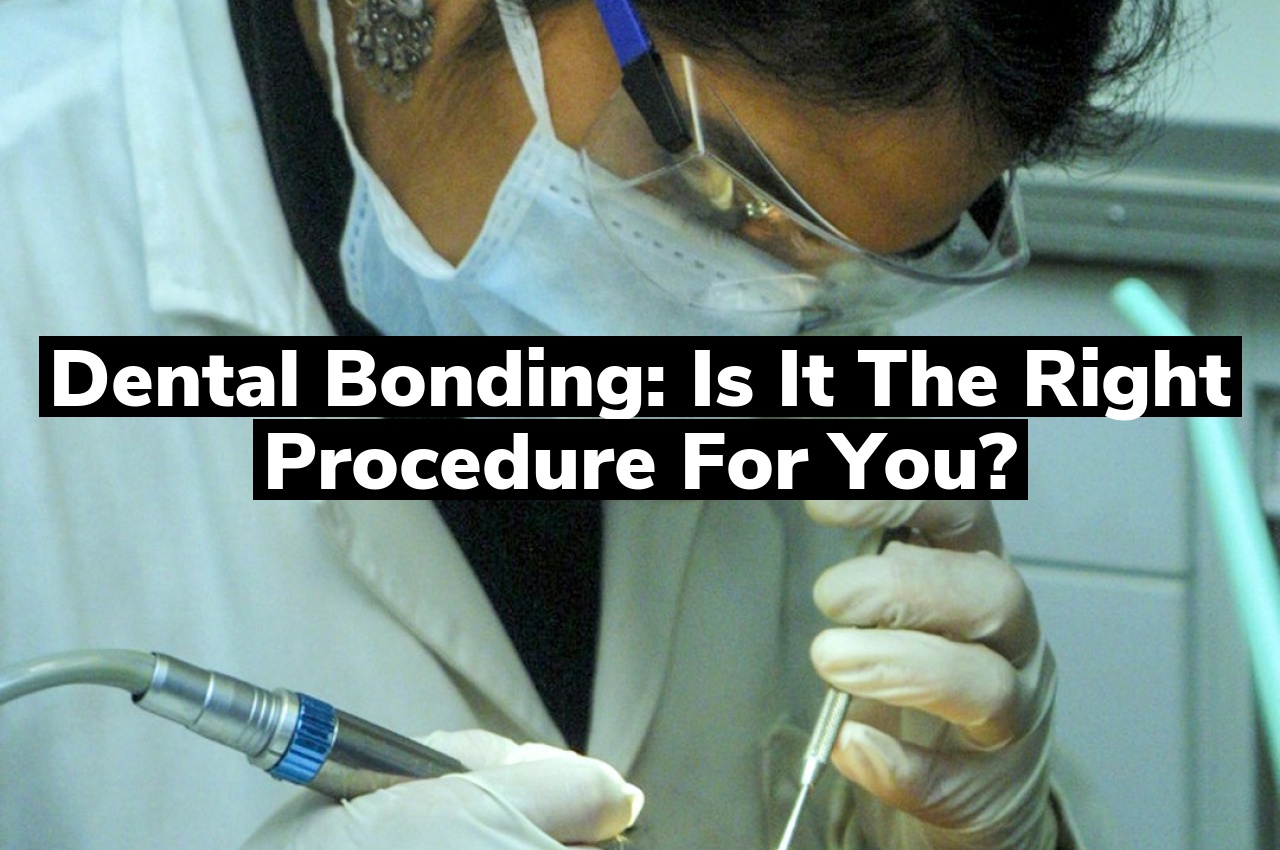
  • Dental Bonding: Is It the Right Procedure for You?

    Dental Bonding: Is It the Right Procedure for You?

    Dental bonding is a popular cosmetic dentistry method that can alter the impression of your teeth. It can help you improve the appearance of chipped, broken, or discolored teeth and can give you more confidence. 

    However, before you decide to undergo this procedure, there are a few things you should know about it. Continue reading to know about them.

    What Is Dental Bonding?

    Applying a resin material that is tooth-colored to the surface of your teeth is known as dental bonding. A special light is used to solidify the resin once it has been molded to match the natural shapes of your teeth. 

    The result is a durable and aesthetically pleasing restoration that can improve your smile.

    What Are the Benefits of Dental Bonding?

    Dental bonding is a versatile cosmetic dentistry procedure that can address various dental issues.

    Chipped or Cracked Teeth: Dental bonding can repair minor chips and cracks in your teeth, making them look whole again.

    Discolored Teeth: Dental bonding can assist you in getting a whiter, brighter smile if you have stained or discolored teeth.

    Gaps between Teeth: Dental bonding can close gaps between your teeth, giving you a more even and attractive smile.

    Misshapen Teeth: Dental bonding can help you obtain a more consistent and aesthetically pleasing smile if you have teeth that are uneven or malformed.

    Decayed Teeth: Dental bonding can be utilized to fill cavities and restore decayed teeth, providing a more natural-looking and durable alternative to traditional metal fillings.

    What Are the Risks of Dental Bonding?

    Like any dental procedure, dental bonding does come with some risks. These include the following:

    Sensitivity: After the procedure, you may experience some sensitivity to hot and cold temperatures. This should go away within a few days.

    Chipping or Breaking: Dental bonding is not as strong as your natural teeth, so it may chip or break if you bite down on hard foods or objects.

    Discoloration: Over time, the resin material used in dental bonding may become discolored or stained, requiring touch-up procedures to maintain its appearance.

    How to Care for Dental Bonding?

    After your dental bonding procedure, it is important to take proper care of your new restoration to ensure its longevity. This entails maintaining proper oral hygiene practices, such as twice-daily brushing and flossing, and avoiding tough or sticky meals that can weaken your bonds with others.

    Additionally crucial to maintaining the condition of your teeth and spotting any problems with your bonding early on are routine dental checkups and cleanings. Your dental bonding can endure for several years with proper maintenance, giving you a gorgeous and healthy smile.

    Is Dental Bonding Right for You?

    It’s crucial to speak with your dentist if you’re thinking about dental bonding to see if it’s the best course of action for you. To decide if dental bonding is the best choice for you, your dentist will evaluate your oral health and speak with you about your goals.

    Dental bonding might be a good option for you if you have healthy teeth and gums and are searching for a minimally intrusive solution to enhance the look of your smile. 

    However, if you have more severe dental issues, such as extensive decay or missing teeth, your dentist may recommend other treatments, such as dental implants or crowns.

    Final Thoughts

    Dental bonding is secure and efficient and can help you project a more attractive and self-assured smile. Before making a choice, it’s crucial to grasp the procedure’s advantages and disadvantages. 

    Consult with your dentist to determine if dental bonding is the right choice for you. With the right care and maintenance, your dental bonding restoration can last for many years, providing you with a beautiful and healthy smile.

    Experience exceptional dental care services with Dentistry & Orthodontics, your go-to clinic for cosmetic and family dentistry. Our team of expert family dentists specializes in emergency dental care, orthodontics, major reconstructive work, routine dental care, and cosmetic dentistry. 

    We are dedicated to providing top-notch dental services to the Kennesaw and Lilburn, GA, community with our friendly and multilingual team. Schedule an appointment with us today!

    Dentistry & Orthodontics at Kennesaw Point

    March 25, 2024
←Previous Page Next Page→

Dentistry & Orthodontics at Kennesaw Point

Proudly making smiles brighter in the Kennesaw area.

Book An Appointment

Contact

1350 Wooten Lake Rd. NW, Ste. 203 Kennesaw, GA 30144

(678) 672-6764

Services

  • Cosmetic Dentistry

  • Dental Implants

  • Dentures

  • Emergency Dentistry

  • General Dentistry

  • Restorative Dentistry

Hours

Monday: 9 AM–5 PM
Tuesday: 9 AM–5 PM
Wednesday: 9 AM–5 PM
Thursday: 9 AM–5 PM
Friday: 9 AM–5 PM
Saturday: By Appointment Only
Sunday: Closed

© 2026 Dentistry & Orthodontics at Kennesaw Point. Privacy Policy